
Those Who Dare
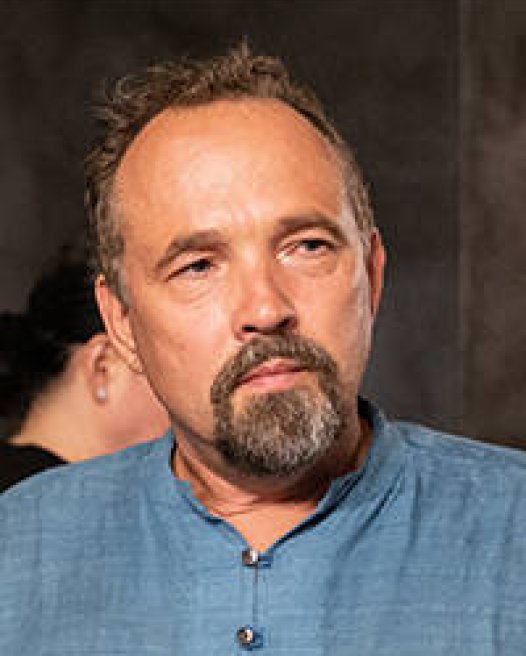
Ministr zahraničí islandského národu bojuje za nezávislost pobaltských států, které se snaží odtrhnout od SSSR.
Tři malé národy Baltského moře, Západem dlouho opomíjené, byly prvními zeměmi sovětského bloku, které obnovily svou nezávislost po rozpadu SSSR v roce 1991. Tváří v tvář vojenskému útlaku v průběhu jejich nezávislého boje a bez podpory hlavních demokratických sil na západě, pomoc přišla nečekaně od dvou malých národů: Islandu a Dánsko.
Zanícený zastánce pobaltských států, islandský ministr zahraničí Jon Baldvin Hannibalsson, se nejen postavil na jejich stranu na mezinárodní politické scéně, na které zástupci Baltu nebyli vítáni- stál také po jejich boku v ulicích Vilniusu, když Sovětské tanky napadly hlavní město Litvy. Jeho boj je jádrem tohoto filmu, spolu s několika jednotlivci, kteří nesli nejtěžší břemeno při svrhování sovětského impéria .
Tři malé národy Baltského moře, Západem dlouho opomíjené, byly prvními zeměmi sovětského bloku, které obnovily svou nezávislost po rozpadu SSSR v roce 1991. Tváří v tvář vojenskému útlaku v průběhu jejich nezávislého boje a bez podpory hlavních demokratických sil na západě, pomoc přišla nečekaně od dvou malých národů: Islandu a Dánsko.
Zanícený zastánce pobaltských států, islandský ministr zahraničí Jon Baldvin Hannibalsson, se nejen postavil na jejich stranu na mezinárodní politické scéně, na které zástupci Baltu nebyli vítáni- stál také po jejich boku v ulicích Vilniusu, když Sovětské tanky napadly hlavní město Litvy. Jeho boj je jádrem tohoto filmu, spolu s několika jednotlivci, kteří nesli nejtěžší břemeno při svrhování sovětského impéria .
Company of Steel
The story in this film describes the truth about trauma experienced during the war and what it does to a human condition. It reveals that it's so much more than extreme pain to the physical, mental and emotional body.
Unable to go back to the life as they lived before, it forces to find meaning and to coin a new identity, because the old one is not enough to handle everything that happened.
The film has three protagonists, code names 'Shakhta', 'Dancer' and 'Potter', all part of the same regiment. The main arena is the Russia-Ukrainian War and one of the most important events was the Shyrokynske offensive operation, where the protagonists suffered losses that changed them forever. It's very important to realize that they aren't professional soldiers, they were volunteers with no military experience, who just wanted to serve their country. This film shows how a normal, non-military person, like us, went through such a horrifying experience.
The storyline of Dancer talks about post-traumatic growth, how a man can be shattered down and rebuild himself stronger, to serve others. Shakhta's is a story of becoming a businessman in a profession that reveals to be an atonement, out of the guilt of surviving, while others didn't and perhaps even because of him. And Potter's fight is about desperate attempt to prevent the war from taking his free, joyful spirit away. He is cling to his innocence, which the loss or change of him is yet to confront.
We follow them during their military operations and continue when they come back home, to the world that didn't change, not as much as they did. They are different people now, and they struggle to find themselves in the world that just doesn't understand how it is to have seen the violence, to follow precise objectives day after day, to make peace with their own death and to feel the pain of losing brothers in army. Nobody can empathize with their shame of living on, while their friends will remain forever on the battlefield.
Unable to go back to the life as they lived before, it forces to find meaning and to coin a new identity, because the old one is not enough to handle everything that happened.
The film has three protagonists, code names 'Shakhta', 'Dancer' and 'Potter', all part of the same regiment. The main arena is the Russia-Ukrainian War and one of the most important events was the Shyrokynske offensive operation, where the protagonists suffered losses that changed them forever. It's very important to realize that they aren't professional soldiers, they were volunteers with no military experience, who just wanted to serve their country. This film shows how a normal, non-military person, like us, went through such a horrifying experience.
The storyline of Dancer talks about post-traumatic growth, how a man can be shattered down and rebuild himself stronger, to serve others. Shakhta's is a story of becoming a businessman in a profession that reveals to be an atonement, out of the guilt of surviving, while others didn't and perhaps even because of him. And Potter's fight is about desperate attempt to prevent the war from taking his free, joyful spirit away. He is cling to his innocence, which the loss or change of him is yet to confront.
We follow them during their military operations and continue when they come back home, to the world that didn't change, not as much as they did. They are different people now, and they struggle to find themselves in the world that just doesn't understand how it is to have seen the violence, to follow precise objectives day after day, to make peace with their own death and to feel the pain of losing brothers in army. Nobody can empathize with their shame of living on, while their friends will remain forever on the battlefield.
Stitches of Freedom
In the Western world, the late 1960s is an era of open minds, sexual freedom, anti-war sentiments, civil rights urgency and exploding creative spirit. Pockets of freedom emerge behind the Iron Curtain, too. In 1968, the short-lived Prague Spring brings a gulp of fresh air to Czechoslovakia, with people attempting to exert control over their lives and reform the Communist system. In the Soviet Union, the free-spirited and colourfully-clad flower children from various Soviet republics come to Riga to listen to Western music and escape the drabness imposed by the regime led by morose men in ill-fitting suits.
Inna, a young transgender person in Soviet Russia, can no longer suppress the inner imperative to free themselves from the foreign body in which they feel imprisoned, and on their quest for freedom, they set off for Riga. A famous and ambitious Latvian surgeon with extensive connections within the Soviet elite, after reading Inna's desperate letter addressed to him, takes on the unprecedented series of operations to change their gender and help "correct nature’s mistake," thereby creating Innokenty in place of Inna.
The film, using unique archive footage and creative reenactments, follows the stages of Inna's transformation – their journey to Riga, the surgeon's doubts and his sources of inspiration, the sexually-charged “tests” of Inna’s femininity, preparation for the series of operations, and the operations unfolding.
The film's narrator is Innokenty, who has since reached old age and, feeling the end of their life approaching, turns to their "creator" in another letter, seeking support in the final transformations of their life. They find themselves back where they started – a regime that does not recognize an individual’s freedom to be themselves. The bond between Innokenty and the surgeon has a lasting pull, hence the need for a final letter. This bond has survived changes in government, family and society, and, ultimately, the surgeon’s death.
Inna, a young transgender person in Soviet Russia, can no longer suppress the inner imperative to free themselves from the foreign body in which they feel imprisoned, and on their quest for freedom, they set off for Riga. A famous and ambitious Latvian surgeon with extensive connections within the Soviet elite, after reading Inna's desperate letter addressed to him, takes on the unprecedented series of operations to change their gender and help "correct nature’s mistake," thereby creating Innokenty in place of Inna.
The film, using unique archive footage and creative reenactments, follows the stages of Inna's transformation – their journey to Riga, the surgeon's doubts and his sources of inspiration, the sexually-charged “tests” of Inna’s femininity, preparation for the series of operations, and the operations unfolding.
The film's narrator is Innokenty, who has since reached old age and, feeling the end of their life approaching, turns to their "creator" in another letter, seeking support in the final transformations of their life. They find themselves back where they started – a regime that does not recognize an individual’s freedom to be themselves. The bond between Innokenty and the surgeon has a lasting pull, hence the need for a final letter. This bond has survived changes in government, family and society, and, ultimately, the surgeon’s death.