
Metanoia
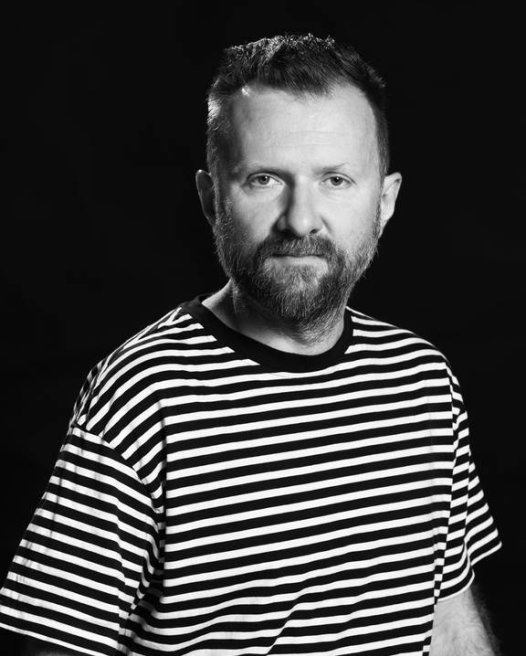
Rootlessness and dilemma — the key words that define the current generation of young Moldovans. Among them is Kristyan Panchuk, a producer, DJ, and founder of the collective Metanoia Underground, which organizes techno parties in a bunker on the outskirts of Chișinău.The film Metanoia is conceived as a character-driven portrait of a young artist facing challenges on his path toward realizing his dream of “real techno” in Moldova. After the initial success of his raves comes decline, and he is forced to close the Bunker. Frustrated and stuck, he tries to find a new venue, sponsor, or audience, but his motivation gradually fades.
Kristyan’s family background reveals both traumas and the roots of his worldview. After emigrating from Moldova, his parents divorced, each starting a new family in a different country. Emotionally, he is attached to his grandparents, especially to his grandfather, who became a father figure to him. From him he inherits nostalgia for Soviet times, patriotism, and pro-Russian attitudes. Against the backdrop of Kristyan’s search for identity and his radicalization, we witness Moldova’s crucial political transformations. The successful referendum on enshrining pro-European integration in the Moldovan constitution and the decisive victory of the pro-European party in the parliamentary elections signal a Western-oriented trajectory. Yet within the country, there remain active forces longing to reverse this course of history. Kristyan represents this group — although still politically inactive, his grandfather, pro-Russian friends, and Telegram channels slowly ignite in him a resentment toward the “degenerate West.”
In this sense, Moldova’s story mirrors that of other countries with a Soviet past — all undergoing an inner transformation, a metanoia, as they struggle to define their civilizational direction in the midst of the war in Ukraine.
Kristyan’s family background reveals both traumas and the roots of his worldview. After emigrating from Moldova, his parents divorced, each starting a new family in a different country. Emotionally, he is attached to his grandparents, especially to his grandfather, who became a father figure to him. From him he inherits nostalgia for Soviet times, patriotism, and pro-Russian attitudes. Against the backdrop of Kristyan’s search for identity and his radicalization, we witness Moldova’s crucial political transformations. The successful referendum on enshrining pro-European integration in the Moldovan constitution and the decisive victory of the pro-European party in the parliamentary elections signal a Western-oriented trajectory. Yet within the country, there remain active forces longing to reverse this course of history. Kristyan represents this group — although still politically inactive, his grandfather, pro-Russian friends, and Telegram channels slowly ignite in him a resentment toward the “degenerate West.”
In this sense, Moldova’s story mirrors that of other countries with a Soviet past — all undergoing an inner transformation, a metanoia, as they struggle to define their civilizational direction in the midst of the war in Ukraine.