Synopsis
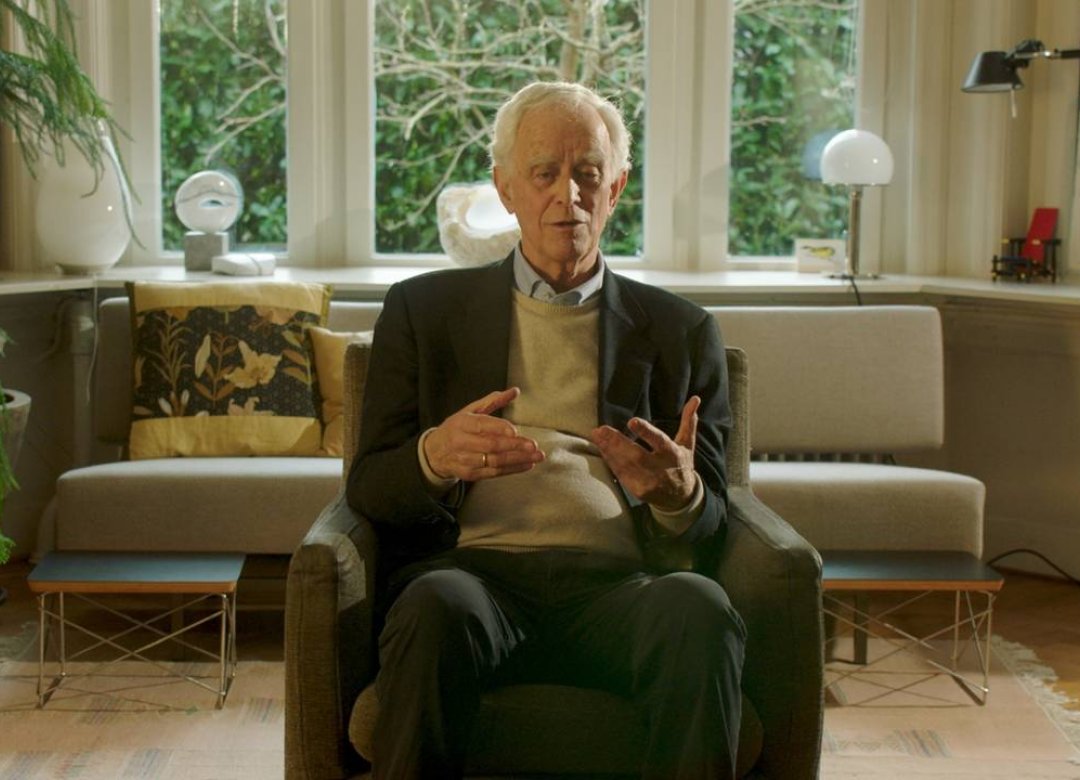
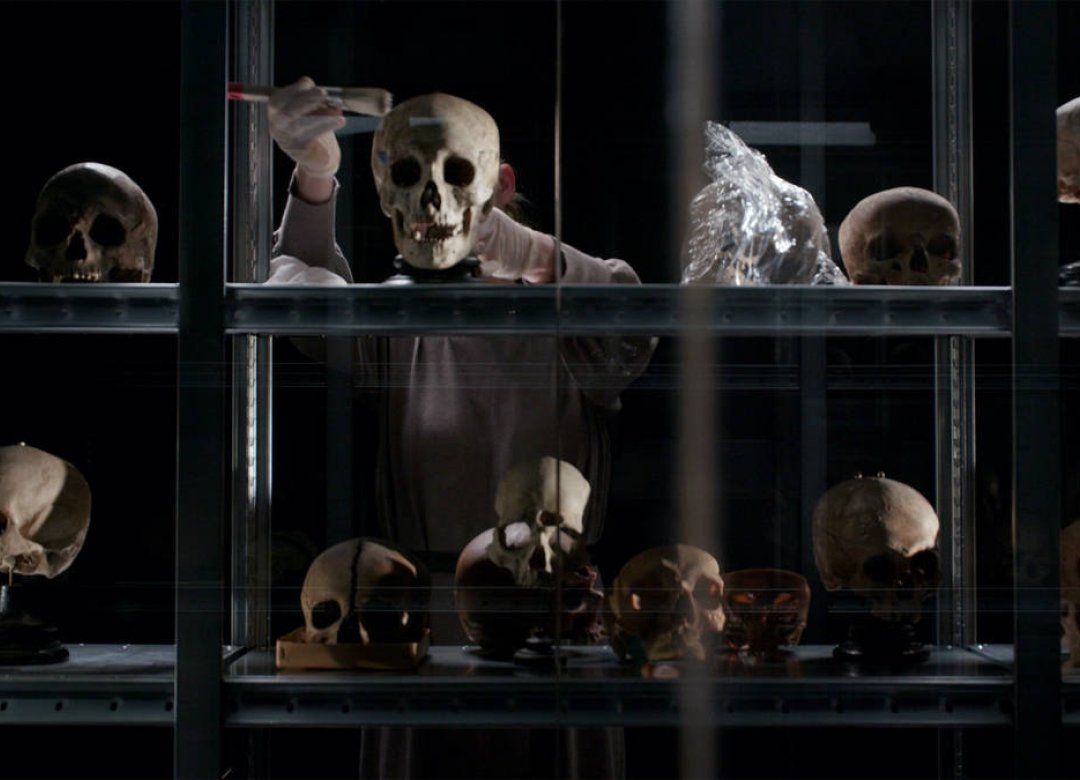
Beautiful Death explores death from both scientific and Buddhist philosophical perspectives, revealing that death is not the end, but a process that is still poorly understood. Neuroscientist Dr. Jimo Borjigin has shown that, contrary to conventional medical understanding, the human brain indicates highly organized activity after life support is withdrawn, rather than simply shutting down. At the same time, the Tibetan meditation practice of Tukdam allows yogis to consciously control the body’s reactions after death, temporarily halting the usual signs of physical decay. This challenges medical science and has led researchers, including Tawni Tidwell and Robin Goldman, to scientifically study this phenomenon — within the Dalailama-inspired Tukdam project, inspecting the bodies of yogis up to several weeks after their biological death. By contrasting scientific research and Buddhist philosophy, the film explores death as a process and a transformation of energy. It also touches on phenomena such as near-death experiences and out-of-body encounters, suggesting that consciousness may exist independently of the physical body. The film invites viewers to reflect not only on the nature of death but also on the role of human consciousness and whether it can exist beyond the boundaries of bodily existence.
Gallery