
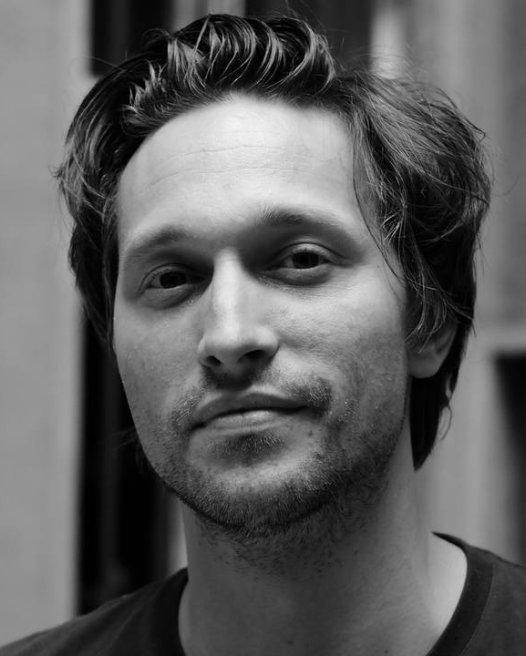
In the Arms of Occupation
Kolem dvaceti procent izraelských občanů jsou Palestinci. Jejich arabská kultura a jazyk jsou potlačeny - a přestože mluví plynně hebrejsky, mnoho z nich hebrejštinu na veřejnosti bojkotuje a žije jako odloučená, diskriminovaná společnost. Známý hudebník na Blízkém východě, Jowan Safadi (41), je součástí palestinské menšiny. Jako vedoucí zpěvák kapely Fish Samak získal značnou fanouškovskou základnu díky svým politicky provokativním písním. Je zvláštní tím, že ve svých textech kritizuje jako Izrael, tak Palestinu, což mu působí potíže se zákonem, jako např. noc v cele v Jordánsku či dokonce výhružky smrtí. Jowan žije v Haifě a je otec – samoživitel svému synovi Donovi (15), který se teprve před rokem vrátil do Izraele poté, co ho posledních pět let vychovávala matka v New Yorku. Aby získal lepší vzdělání, navštěvuje židovskou školu, kde ale každodenně naráží na rasismus, což je pro něj zcela nová zkušenost. Jowanova rodina žije v Nazaretu a převládají v ní konzervativní arabské hodnoty – byli by raději, kdyby jejich syn žil podle tradic. Jowanův bratranec, Yazid (33), je jedním z jeho nejbližších důvěrníků. Je politicky aktivní a již dlouho si přeje otevřít uměleckou kavárnu v okolí Akko. Ovšem kvůli speciální právní situaci mu není dovoleno koupit v této oblasti půdu, neboť je palestinského původu. Jowanův každodenní život a život jeho blízkých rodinných příslušníků a přátel určuje velmi upjatá atmosféra současného stavu. Zatímco většina Palestinců již nechce vést s Izraelci dialog, Jowan se nyní rozhodl udělat přesný opak. Pomocí své hudby a svého hlasu začne odvážnou kampaň namířenou na Palestince a Izraelce, aby otevřeli oči a ukončili mlčenlivost – za každou cenu.
Gwendolyn
Gwendolyn is in her mid-sixties, barely weighs 52 kg and is a two-time world champion in weightlifting. After battling salivary gland cancer the retired anthropologist should really take a step back, but this is far from what Gwendolyn has in mind. She is training to become world champion once again. Supported by her devoted trainer Pat and her Ivorian husband Charlie, her fight against physical and personal limits begins.
Do Magic
My family believes there´s a curse casted on us by our mean ancestor. I don't know if the curse is real, but I'm sure there´s a trauma, transmitted in our family for generations - during the Second World War, my great-grandfather was a partisan the whole his family, including small children was shot by Gestapo, there was a lot of violence around my family, but also inside the family. Sometimes I wonder if being Roma is a curse or a blessing. I´m wondering if some magic can help to heal it. That´s why I want to find a real Roma witch who can help to break this curse, because I want to save my three-years old daughter who is supposed to be the fifth and the last victim of it.
Magical rituals and fortune – telling have fascinated me since I was a little girl, thanks to my aunt Marcela, who is a fortune teller. I realise, Marcela sinks into deep depression and I wonder if she is affected by curse too, that´s why we embark on the way together, encouraged by two friends, Anastasia and Michaela, who seek for help themselves, we try to immerse in a fairy tale world, the traditional way of passing on knowledge among Roma people. In a playful, self-ironic way, we hope to find a recipe to help us.
In encounters with the old, traditional Romani witch Elena, the eclectic Vanda with an university degree, and the healer Marta, a former workaholic in retirement, they discover step by step new perspectives on our various problems: Anastasia, Russian in Czech exile, struggles with fear, guilt and loneliness due to the war in Ukraine; Michaela, Slovakian dance teacher, seeks to make contact with her boyfriend who committed suicide four years ago; and I and Marcela want to escape the trauma of repeated experiences of violence in their family history.
If I will be able to break the curse is still open. However, the premise is probably that people must first discover the magic within themselves so that they can be helped.
Magical rituals and fortune – telling have fascinated me since I was a little girl, thanks to my aunt Marcela, who is a fortune teller. I realise, Marcela sinks into deep depression and I wonder if she is affected by curse too, that´s why we embark on the way together, encouraged by two friends, Anastasia and Michaela, who seek for help themselves, we try to immerse in a fairy tale world, the traditional way of passing on knowledge among Roma people. In a playful, self-ironic way, we hope to find a recipe to help us.
In encounters with the old, traditional Romani witch Elena, the eclectic Vanda with an university degree, and the healer Marta, a former workaholic in retirement, they discover step by step new perspectives on our various problems: Anastasia, Russian in Czech exile, struggles with fear, guilt and loneliness due to the war in Ukraine; Michaela, Slovakian dance teacher, seeks to make contact with her boyfriend who committed suicide four years ago; and I and Marcela want to escape the trauma of repeated experiences of violence in their family history.
If I will be able to break the curse is still open. However, the premise is probably that people must first discover the magic within themselves so that they can be helped.
Raid
Twelve years after a brutal police raid shattered his dream of becoming a teacher and leaving the Romani settlement on the outskirts of a small eastern Slovak town, Igor has found his calling as a mediator between the world inside and outside the settlement, helping local Roma with official matters and advice. He also supports his sister Veronika in raising her four sons, determined that his eldest nephew Martin will be the first in the family to make it out. But during the hot summer holidays, school and learning are the last things on Martin’s mind. With his brothers and friends, he escapes to the river and the cornfields, where battle games follow their own rules.
Although Igor’s case ended in his favor at the European Court of Human Rights in Strasbourg, the police officers remained unpunished and active in the region. When disturbing testimonies of new police brutality against Roma settlers begin to spread from a nearby village, Igor must confront not only the violent images returning to his mind but also the limits of the help one can offer while living on the margins of society.
Through the observation of children’s games and the magical dimension of recurring nightmares, the film highlights the importance of collective memory in a place where life is lived day by day, as well as the need for understanding across a deeply divided society.
Although Igor’s case ended in his favor at the European Court of Human Rights in Strasbourg, the police officers remained unpunished and active in the region. When disturbing testimonies of new police brutality against Roma settlers begin to spread from a nearby village, Igor must confront not only the violent images returning to his mind but also the limits of the help one can offer while living on the margins of society.
Through the observation of children’s games and the magical dimension of recurring nightmares, the film highlights the importance of collective memory in a place where life is lived day by day, as well as the need for understanding across a deeply divided society.