Synopsis
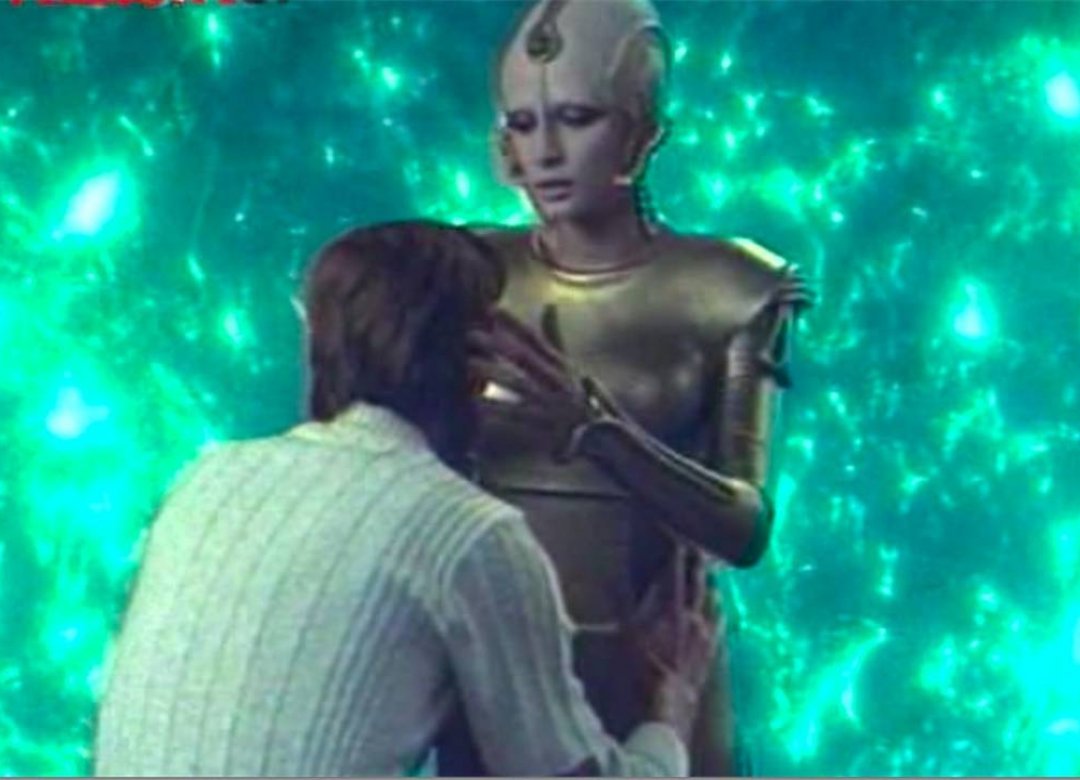
Three turbulent decades of the 20th century are reflected through science-fiction films made in socialist Yugoslavia. Told chronologically through the 60s, 70s, and 80s, the story follows the clash of dreams and reality in a country that no longer exists. Each decade mirrors both the evolution of Yugoslav sci-fi and the rise and fall of the state that created it. When the nation was optimistic, films were bleak; when it collapsed, they sought hope. The last Yugoslav sci-fi—about friendship between an alien and a girl—symbolized a unity the real world was losing.
Prologue
Archive footage and animation evoke early visions of space travel and imagined planets, lit by a red star.
“The endless canopy is both cradle and deathbed to the worlds that keep being born and die…”
1960s – Science and Progress
As the first man enters space, Yugoslavia forges its own socialist path, leading the Non-Aligned Movement. Optimism fills the air, yet sci-fi warns of nuclear peril and the fragility of peace.
1970s – Political Sci-Fi
Amid rapid growth and modernisation, culture thrives but the system hardens. Sci-fi turns political, using allegory and surreal imagery to expose the cracks in utopian ideals.
1980s – Downfall of Utopia
As communism weakens and chaos looms, sci-fi retreats into children’s films. Fantasies of unity mask collective denial. As the world unites, Yugoslavia explodes—like a dying star.
Epilogue
Abandoned sets and unfinished modernist buildings—once symbols of the “future”—reveal a haunting truth: both imagined and real utopias have vanished.
Voyager 2 drifts toward Neptune, passing a fading red star.
“The universe has always been equally magnificent… an eternal existence and duration.”
Told entirely through archival materials, the film contrasts sci-fi imagery with history, reviving forgotten dreams of a society where reality and fiction often became one.
Prologue
Archive footage and animation evoke early visions of space travel and imagined planets, lit by a red star.
“The endless canopy is both cradle and deathbed to the worlds that keep being born and die…”
1960s – Science and Progress
As the first man enters space, Yugoslavia forges its own socialist path, leading the Non-Aligned Movement. Optimism fills the air, yet sci-fi warns of nuclear peril and the fragility of peace.
1970s – Political Sci-Fi
Amid rapid growth and modernisation, culture thrives but the system hardens. Sci-fi turns political, using allegory and surreal imagery to expose the cracks in utopian ideals.
1980s – Downfall of Utopia
As communism weakens and chaos looms, sci-fi retreats into children’s films. Fantasies of unity mask collective denial. As the world unites, Yugoslavia explodes—like a dying star.
Epilogue
Abandoned sets and unfinished modernist buildings—once symbols of the “future”—reveal a haunting truth: both imagined and real utopias have vanished.
Voyager 2 drifts toward Neptune, passing a fading red star.
“The universe has always been equally magnificent… an eternal existence and duration.”
Told entirely through archival materials, the film contrasts sci-fi imagery with history, reviving forgotten dreams of a society where reality and fiction often became one.
Articles

18. 1. 2022
“Producers should not be gang-raped by streamers.” An Interview with Siniša Juričić
 EX ORIENTE FILM
EAST DOC PLATFORM
Interview
EX ORIENTE FILM
EAST DOC PLATFORM
Interview
Croatian veteran producer Siniša Juričić discusses his COVID shootings, relationship with streamers and why Elon Musk will be the villain of the upcoming project Measuring the Sky.
read more
Gallery